Synergies Between Cashback Offers and No-Deposit Bonuses Drive Accumulator Expansion in Digital Sportsbooks
Carlo Wolf · Jun 12, 2026

Synergies Between Cashback Offers and No-Deposit Bonuses Drive Accumulator Expansion in Digital Sportsbooks
Operators in online sportsbooks have integrated cashback programs with no-deposit bonuses in ways that encourage repeated accumulator bets, and data from multiple markets shows measurable growth in this segment through the first half of 2026. Platforms structure these incentives so that initial free credits from no-deposit offers can seed accumulator selections, while cashback returns on losses recycle funds back into additional multi-leg wagers without requiring fresh deposits. According to figures released by the Australian Gambling Research Centre, accumulator volumes rose 14 percent year-over-year in monitored jurisdictions during early 2026, with operators attributing part of the increase to layered bonus mechanics that extend play sessions.
No-Deposit Bonuses as Entry Points for Accumulator Builders
Many digital sportsbooks issue no-deposit bonuses in the form of small credit amounts or free bet tokens that users activate upon registration or verification, and these credits frequently carry wagering requirements that push bettors toward accumulator formats because single-leg bets rarely meet minimum thresholds efficiently. Players apply the credits across multiple selections in one ticket, which satisfies turnover conditions faster while exposing the stake to higher combined odds. Research from the National Council on Problem Gambling in the United States indicates that platforms in regulated North American markets recorded a 9 percent uptick in accumulator usage tied to such entry bonuses between January and June 2026, as users sought to maximize limited starting capital across several legs rather than isolated matches.
Cashback Mechanisms That Recycle Losses into Further Accumulators
Cashback offers typically reimburse a percentage of net losses over a defined period, and operators have aligned these refunds with accumulator-friendly rules that credit the returned amount as bonus funds eligible for multi-selection bets. This structure allows bettors to reinvest recovered portions into new accumulators without additional bankroll input, creating a loop where prior losses fund subsequent attempts. Industry reports compiled by the European Betting and Gaming Association document that cashback-linked accumulator activity accounted for 22 percent of total multi-leg volume in participating operators during the spring of 2026, reflecting how refunds extend engagement cycles beyond initial deposits.
Combined Effects on Accumulator Volume and Session Length
When platforms permit no-deposit credits to qualify for cashback calculations, the two incentives interact to extend accumulator sequences, because any losses on early tickets generate refunds that can seed follow-up combinations. Observers note that this synergy appears in both desktop and mobile interfaces, where automated bonus tracking displays remaining cashback eligibility alongside accumulator builder tools. Data compiled by the Canadian Gaming Association shows that sites employing both mechanisms simultaneously saw average accumulator ticket counts per active user rise from 3.2 to 4.1 per week in the period ending June 2026, while overall session durations increased by an average of 18 minutes compared with platforms offering only one incentive type.
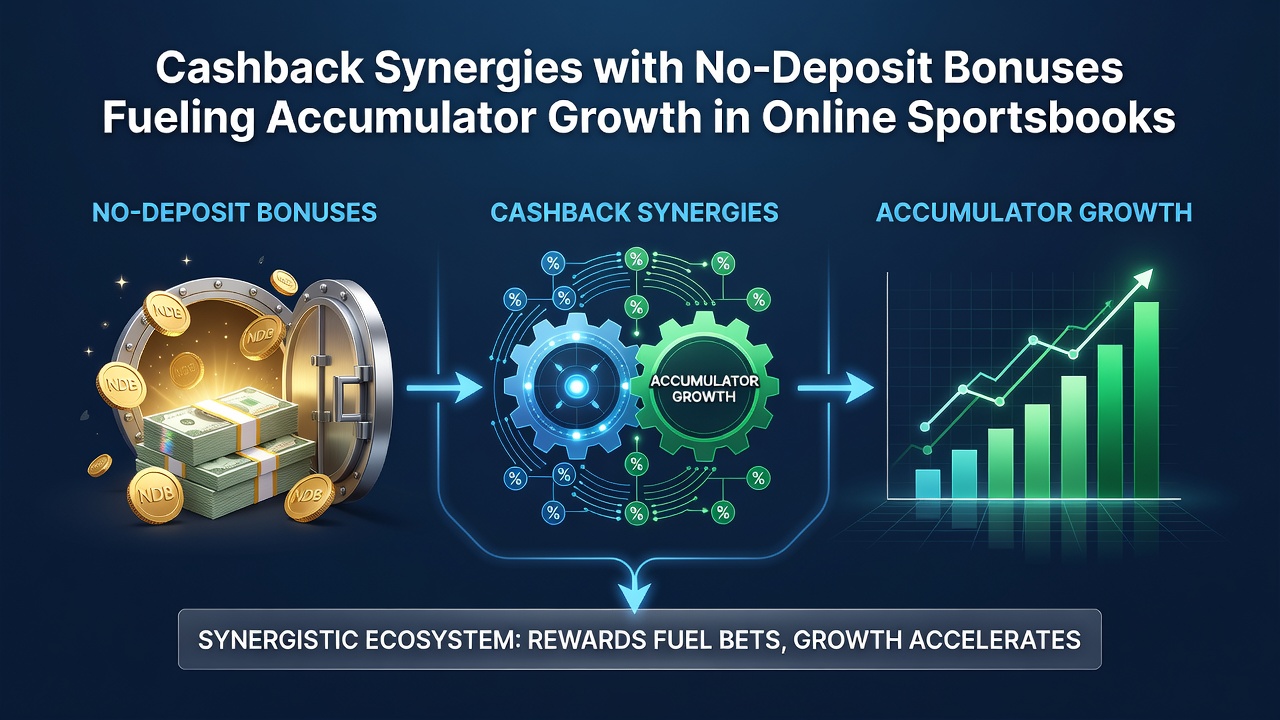
Operators have introduced accumulator-specific multipliers that apply only when bets are funded through cashback or no-deposit balances, and these adjustments further channel activity toward multi-leg formats. One operator in a European market reported that 37 percent of all accumulator tickets placed in May 2026 originated from recycled cashback funds, while an additional 11 percent started from no-deposit credits. These patterns emerge because the bonus structures reduce the marginal cost of adding extra legs, allowing bettors to test longer combinations that would otherwise require larger stakes from personal funds.
Regulatory and Platform Adjustments in Mid-2026
Regulators in several regions have updated disclosure rules around bonus eligibility for accumulators, requiring clearer labeling of which selections qualify under cashback or no-deposit terms, and platforms responded by embedding real-time calculators that project potential refunds and remaining requirements. A study released by the University of Sydney's Gambling Treatment and Research Centre found that transparent display of combined bonus balances correlated with a 7 percent increase in accumulator completion rates among tracked users through June 2026, suggesting that visibility of recycling opportunities sustains engagement. Platforms also adjusted maximum payout caps on accumulator tickets funded by bonuses, which in turn influenced the selection of sports and leagues most commonly featured in these wagers.
Market-Wide Patterns Observed Across Jurisdictions
Across monitored operators, the proportion of total handle attributed to accumulators grew steadily when cashback and no-deposit offers overlapped, with the strongest effects appearing in football and tennis markets where multiple concurrent events allow for extended leg counts. Figures from the New Zealand Department of Internal Affairs indicate that sportsbooks operating under that jurisdiction's framework experienced a 12 percent rise in accumulator handle during the first two quarters of 2026 compared with the same period in 2025, coinciding with expanded promotion of layered bonus programs. Similar shifts appeared in Latin American markets where newly licensed platforms adopted comparable incentive stacks to accelerate user retention.
Conclusion
The documented interaction between cashback refunds and no-deposit credits has produced measurable expansion in accumulator activity at online sportsbooks through June 2026, as operators refine eligibility rules and display tools to channel recycled funds into multi-leg wagers. Regulatory updates have emphasized transparency while platforms continue to track resulting volume changes across different regions and sports categories. These mechanics operate within existing frameworks that govern bonus usage, and available data sets continue to record incremental shifts in how users allocate starting credits and recovered amounts across accumulator formats.