Stacked Incentives Transforming User Patterns in Mobile Wagering Platforms
Ulrich Richter · Aug 21, 2026
Stacked Incentives Transforming User Patterns in Mobile Wagering Platforms
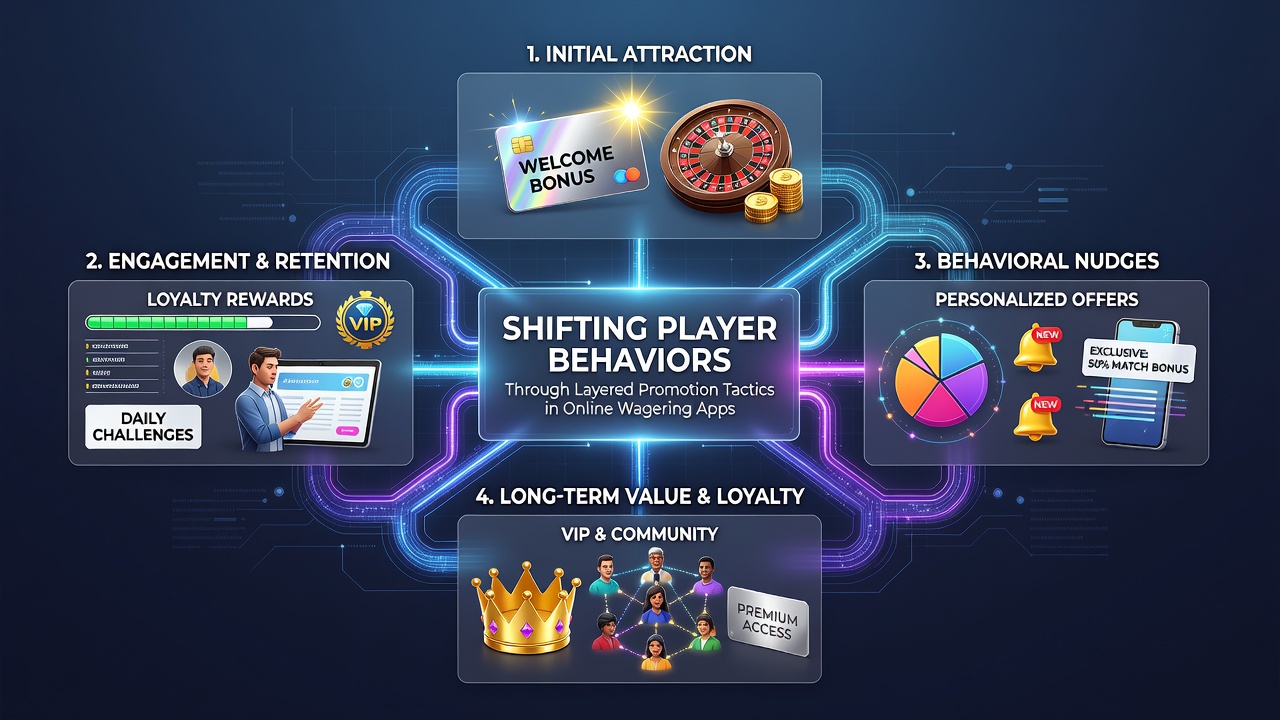
Layered promotion tactics in online wagering apps combine multiple incentives such as welcome bonuses, cashback mechanisms, accumulator boosts, and no-deposit rewards to influence how users interact with betting platforms, and data from industry reports shows these structures encourage shifts toward higher-frequency app engagement along with preferences for specific bet types. Observers note that players often move from isolated single bets toward structured sequences where initial free credits lead into cashback cycles that sustain longer sessions, while reports from August 2026 indicate continued growth in mobile session durations across several markets as operators refine these combinations.
Core Components of Layered Promotions
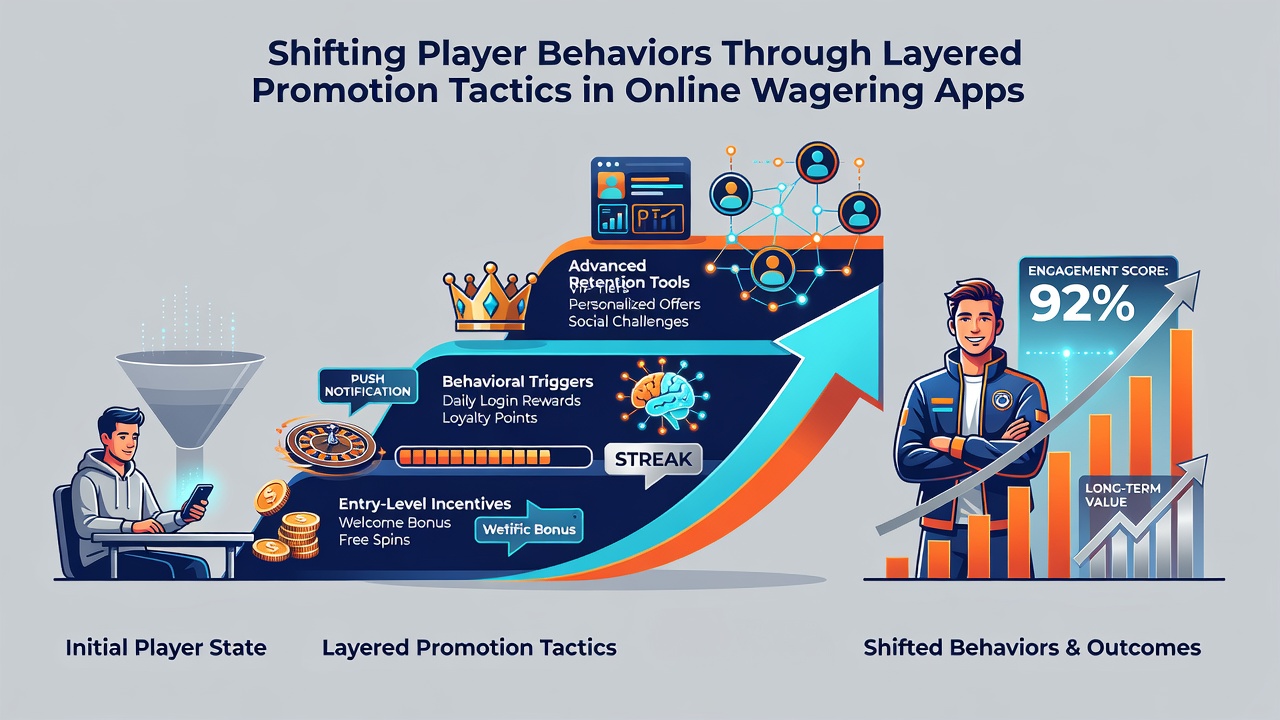
Operators structure these offers in sequences where an initial deposit match unlocks subsequent accumulator enhancements, and a no-deposit starter transitions into cashback on losses that users can apply to further wagers. Research indicates this progression alters decision-making patterns because participants receive incremental rewards that reward continued activity rather than isolated transactions, and studies from academic sources have tracked corresponding rises in daily active users on platforms employing such stacking methods. Those who monitor app analytics report that users exposed to these layers log in more consistently to track progress toward bonus thresholds, whereas single-offer systems produce shorter engagement spikes that fade once the initial credit is exhausted.
Documented Changes in Betting Activity
Evidence from multiple regions demonstrates that layered tactics correlate with increased selection of accumulator bets over straight wagers, since boost multipliers apply only to multi-leg selections and thereby steer users toward higher-volume ticket construction. Figures from the American Gaming Association reveal that markets with widespread use of these combined incentives experienced measurable upticks in average bets per user during the first half of 2026, while platforms without such layering showed flatter participation curves. Players frequently adjust their stake sizing to meet minimum requirements for unlocking the next reward tier, and this behavior emerges consistently across demographic segments according to aggregated transaction data.
Regional Variations and Data Patterns
Canadian regulatory filings highlight similar trends where operators offering stacked no-deposit credits followed by cashback loops recorded elevated retention rates compared with competitors relying on flat welcome packages alone. In Australia, industry summaries released in mid-2026 noted that users on apps with multi-stage promotions demonstrated greater loyalty to specific platforms, returning to complete pending bonus conditions rather than sampling alternative sites. These patterns hold across both established and emerging markets because the layered design creates ongoing objectives that keep accounts active over extended periods.
Platform Design Adjustments
Developers have responded by embedding progress trackers and notification systems that remind users of remaining steps toward the next reward layer, and this integration further reinforces habitual checking behavior. Data indicates that push notifications tied to bonus milestones increase return rates within 24 hours of initial engagement, whereas generic marketing messages produce lower response levels. Operators also adjust interface layouts to highlight stacked opportunities prominently on home screens, guiding users toward bet types that align with current active promotions.
Longer-Term Behavioral Indicators
Longitudinal observations suggest that sustained exposure to these layered systems leads to more calculated bankroll management as participants allocate portions of winnings to meet rollover conditions, and external analyses from the Canadian Centre for Gaming Research have documented corresponding changes in average deposit frequency. Users develop routines around monitoring accumulator lines for boost eligibility, and this focus replaces earlier patterns of spontaneous single-bet placement. The cumulative effect appears in aggregated metrics showing extended account lifespans on apps that maintain consistent layering across months rather than isolated campaigns.
Conclusion
Layered promotion tactics continue to shape measurable shifts in how participants approach mobile wagering apps, with data from August 2026 confirming ongoing adjustments in session length, bet selection, and platform retention across multiple jurisdictions. These structures operate through sequential incentives that guide user behavior toward sustained activity, and external reports from organizations such as the American Gaming Association alongside academic reviews from Canadian research centers provide consistent documentation of the resulting patterns. Operators maintain these systems because transaction records demonstrate their effectiveness in altering engagement metrics without relying on single-point rewards.