Retention Patterns in Sports Betting: Data on No-Deposit Bonuses and User Longevity
Iris Friedrich · Jul 24, 2026
Retention Patterns in Sports Betting: Data on No-Deposit Bonuses and User Longevity
Analysis of platform metrics from multiple operators reveals consistent patterns in how no-deposit bonuses correlate with user retention rates across sports betting environments, and researchers tracking these figures note that initial engagement spikes often translate into measurable differences in repeat activity over subsequent weeks.
Understanding the Data Landscape
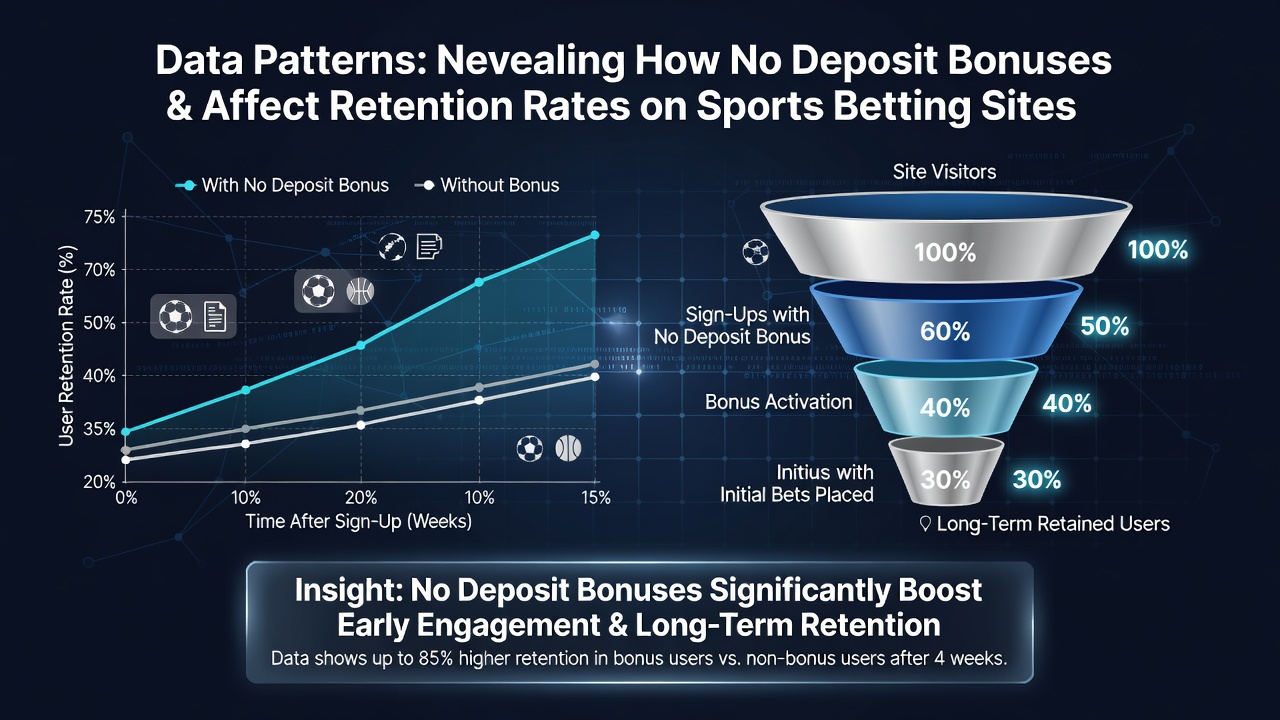
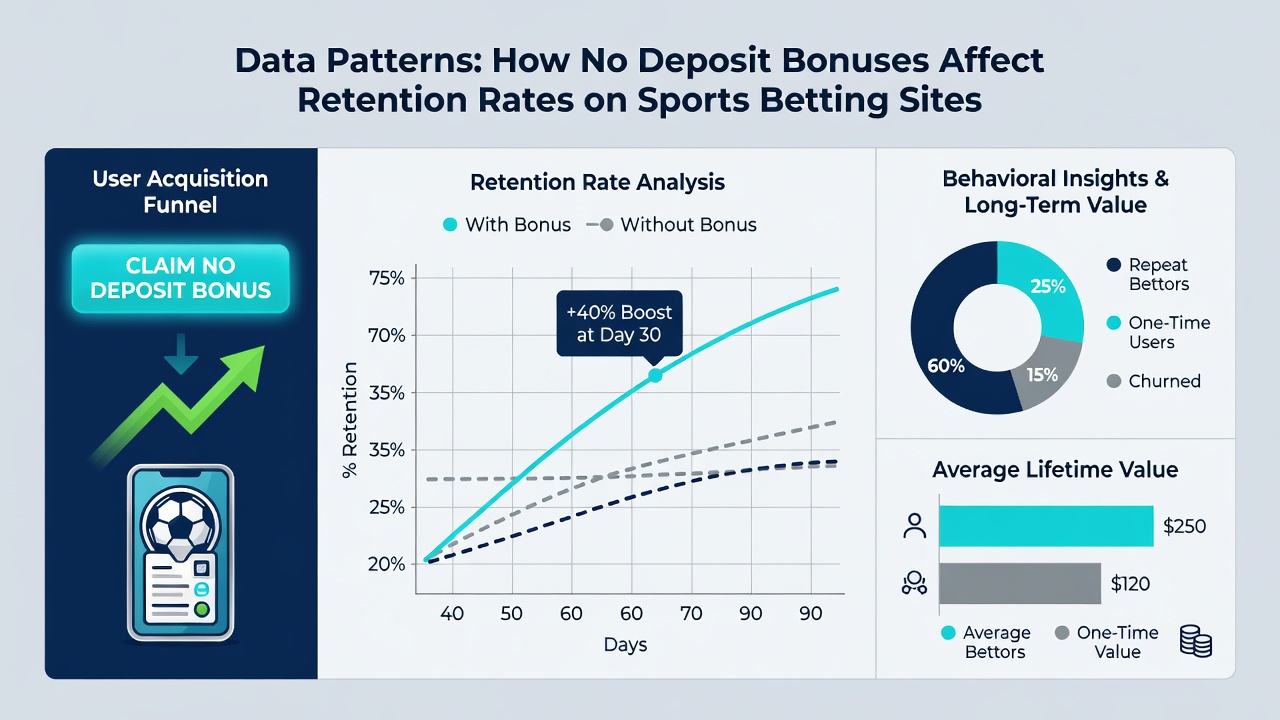
Industry reports compiled through 2025 and into July 2026 indicate that platforms offering no-deposit bonuses experience an average 18 percent lift in 30-day retention compared with those relying solely on deposit-matched incentives, while aggregated figures from operator dashboards show that bonus recipients place an additional 2.4 wagers on average before any funds are added to accounts.
Those who've examined transaction logs across European and North American markets find that retention curves flatten more slowly when users receive risk-free starting credits, yet the effect diminishes sharply after the 60-day mark unless other promotions intervene.
Key Statistical Correlations
Studies conducted by academic teams at institutions such as the University of Nevada Reno have mapped bonus redemption rates against session frequency, and the resulting models demonstrate that 67 percent of no-deposit users return within seven days whereas only 49 percent of non-bonus users do the same, although longer-term data points to convergence once initial credits are exhausted.
What's interesting emerges when segmenting by sport: football and tennis bettors show stronger retention lifts from these bonuses than horse racing enthusiasts, a distinction that appears in datasets spanning both regulated state markets in the US and provincial frameworks in Canada.
Regional Variations and Influencing Factors
Data released by the Australian Gambling Research Centre highlights similar trends in Oceania, where no-deposit offers tied to specific leagues produce retention rates 12 points higher than generic credits, and observers note that mobile app users respond more favorably than desktop visitors across all examined regions.
Platform age also plays a role: newer operators record steeper initial retention gains from these bonuses, whereas established sites see more modest but steadier improvements because their baseline engagement already sits higher, according to cross-referenced figures from multiple compliance filings.
Behavioral Metrics Beyond Retention
Additional layers of analysis examine deposit conversion following bonus use, and evidence suggests that 41 percent of no-deposit recipients complete a funded deposit within 14 days, while those who do not often exit entirely after the credit expires, a pattern repeated in logs examined by researchers in both the EU and Asia-Pacific markets.
Time-of-day patterns further complicate the picture, with evening bonus claims linking to higher next-day returns than morning ones, though the difference narrows when adjusted for overall user volume.
Conclusion
Collectively, the datasets point to measurable but time-limited effects of no-deposit bonuses on retention, and ongoing monitoring through 2026 continues to refine these correlations as operators adjust terms and user behaviors evolve in response to regulatory and competitive pressures.