From Sign-Up Perks to Ongoing Rewards: Tracing the Lifecycle of Betting Incentives in the UK Market
Ulrich Richter · Jun 22, 2026
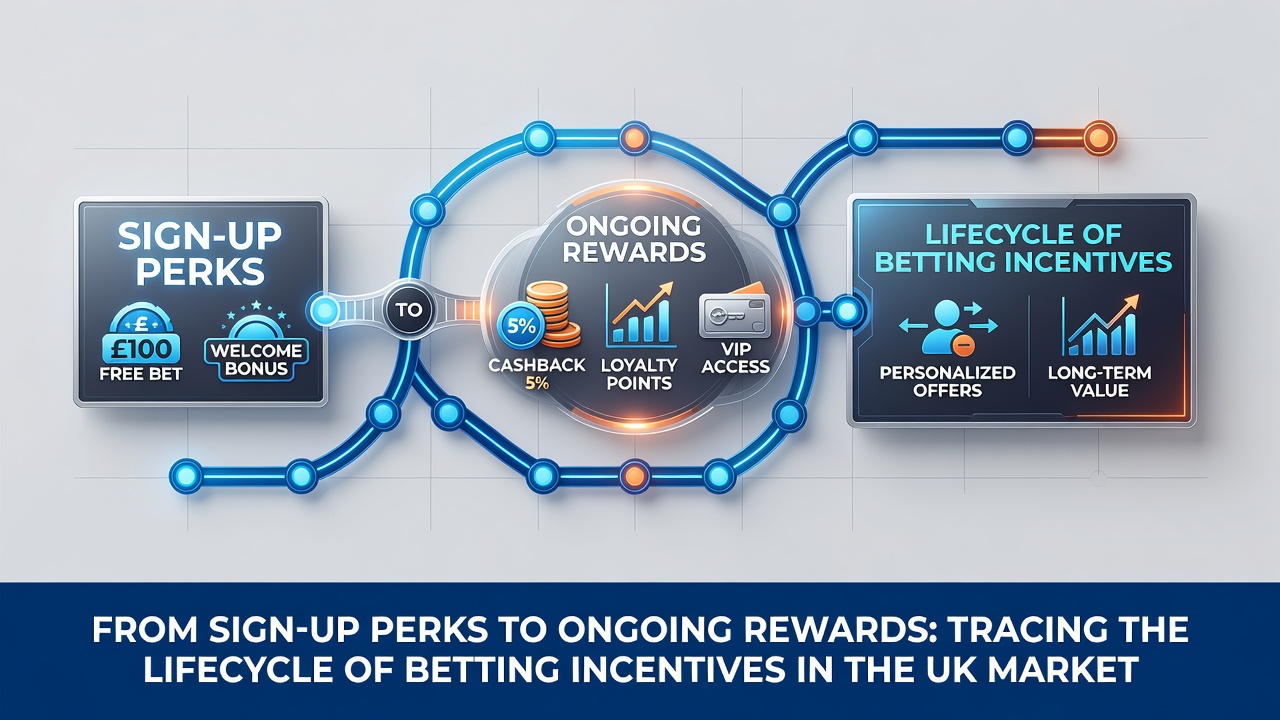
From Sign-Up Perks to Ongoing Rewards: Tracing the Lifecycle of Betting Incentives in the UK Market
Betting incentives in the UK follow a structured progression that operators design to attract new users and maintain engagement over extended periods. This lifecycle begins with entry-level promotions tied to account creation and moves through layered rewards that adjust based on activity levels and regulatory requirements.
Initial Entry Points and Welcome Structures
Operators launch campaigns around sign-up offers that typically include matched deposits or free bet credits activated after a first deposit reaches a minimum threshold. Data from industry reports indicate these entry incentives account for a significant portion of new customer acquisition budgets across major platforms. Those who study market patterns note that sign-up perks often require users to meet wagering conditions before full withdrawal eligibility activates.
Many platforms structure these early rewards with time-bound elements, such as 30-day expiration windows on bonus funds. This setup encourages immediate activity while operators track conversion rates from free credits into sustained deposits. Observers note that welcome packages frequently combine multiple components, including risk-free bets and enhanced odds on specific events, to create layered entry experiences.
Transition to Retention Mechanisms
Once initial bonuses expire, the focus shifts toward ongoing incentives that reward consistent play. Cashback programs return a percentage of net losses over weekly or monthly periods, creating a feedback loop that encourages continued participation. These mechanisms often integrate with accumulator boosts where additional winnings apply to multi-selection bets meeting specific criteria.
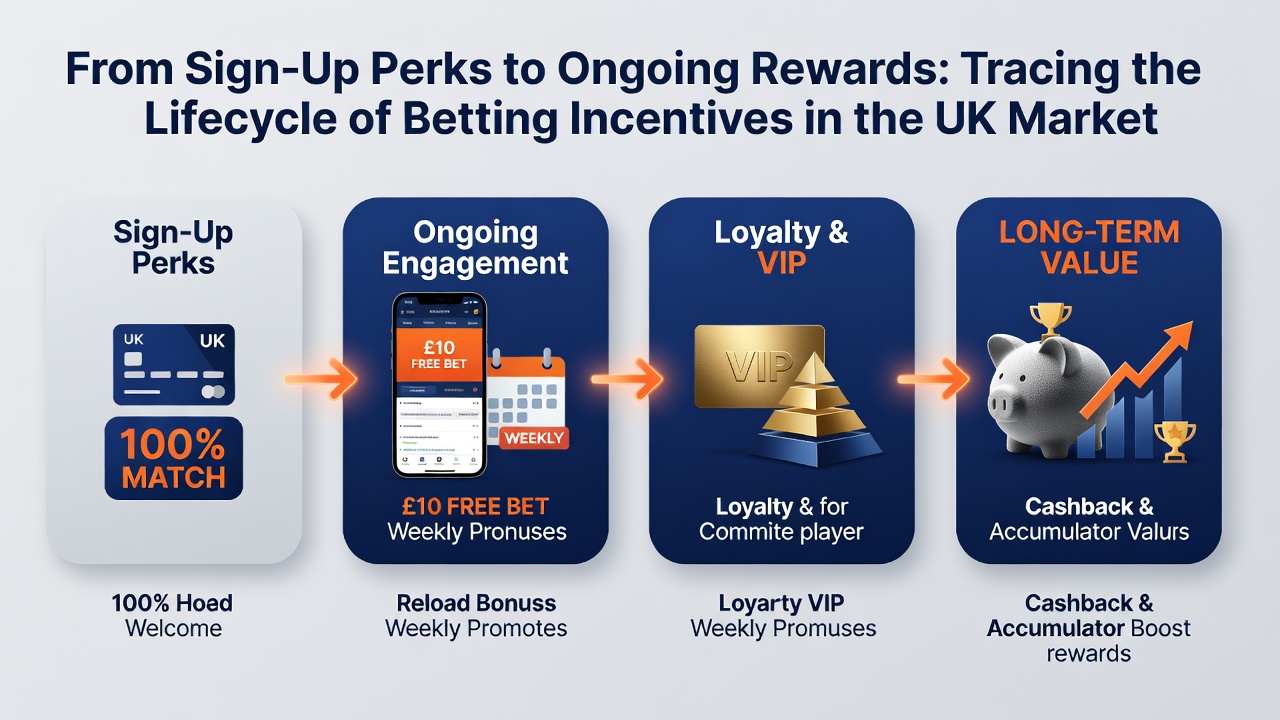
Loyalty schemes assign points based on stake volume and frequency, which users later redeem for free bets or exclusive event access. Research from the Australian Institute of Health and Welfare highlights how retention tools in regulated markets evolve to balance operator costs with player retention metrics. Platforms adjust these programs seasonally, with summer events and major tournaments prompting temporary enhancements to standard reward structures.
Regulatory Influences and Market Adjustments in 2026
Changes in oversight frameworks prompt operators to refine incentive designs throughout 2026. In June 2026, several platforms introduced updated terms that cap bonus values and extend cooling-off periods between promotions. These adjustments align with broader efforts to standardize advertising practices and disclosure requirements across digital channels.
Industry groups such as those represented in reports from the Canadian Centre on Substance Use and Addiction document similar patterns where lifecycle incentives adapt to maintain compliance while preserving competitive positioning. Data indicates that no-deposit variants appear less frequently in later stages, giving way to deposit-matched and loyalty-based alternatives that tie rewards more closely to verified activity.
Layered Reward Integration and Player Pathways
Advanced users encounter combinations where cashback applies alongside accumulator insurance that refunds stakes on near-miss outcomes. These integrations create pathways where early sign-up benefits feed into sustained engagement models. Studies on gambling behavior reveal that platforms segment users by activity tiers, offering differentiated rewards that scale with deposit history and session frequency.
Examples include tiered programs where higher levels unlock personalized boosts unavailable at entry stages. Operators monitor these transitions through analytics that track how initial perks influence long-term spend patterns. What's interesting here is how these systems maintain continuity even as external factors like event calendars and economic conditions shift participation rates.
Conclusion
The lifecycle of UK betting incentives operates as a continuous cycle that begins with acquisition-focused offers and matures into retention-oriented structures. Market data shows operators continuously refine these elements in response to usage patterns and compliance updates. This progression ensures incentives remain relevant across different stages of user engagement while supporting broader industry stability.